
How to Tell the Difference When You Walk Through a Home
One of the quiet challenges of house hunting is learning how to see past first impressions.
Some homes walk you in with fresh paint, beautiful lighting, and carefully chosen finishes. Others feel a little rough around the edges. But the homes that photograph best aren’t always the homes that live best.
Understanding the difference between cosmetic fixes vs structural red flags can completely change the way buyers experience a showing.
When you know what you’re looking at, small imperfections stop feeling intimidating. And homes that need a little love start to reveal their potential.
The Things That Are Easy to Change
Most homes have cosmetic quirks. They’re part of the story of a house that has been lived in.
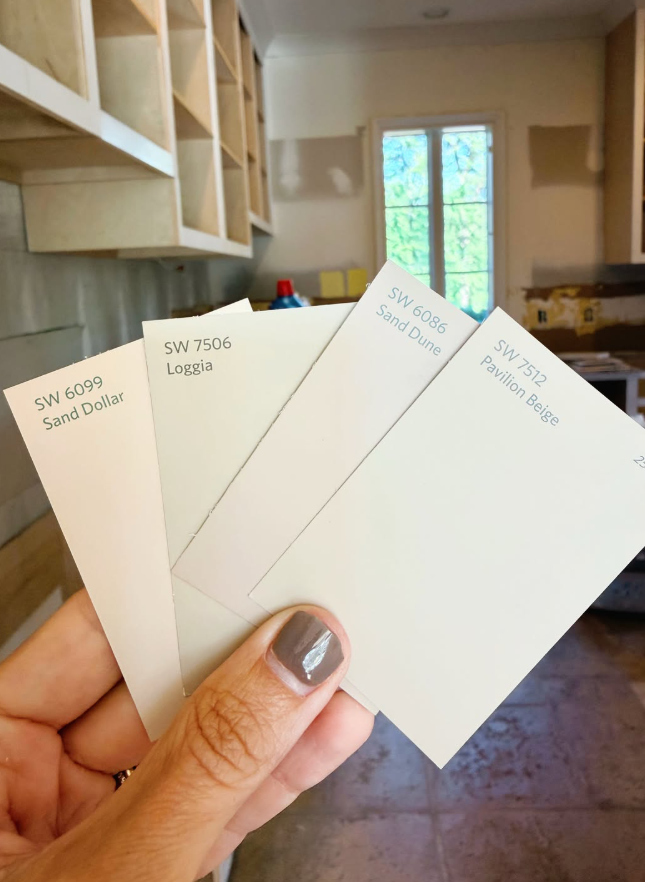
Sometimes it’s outdated paint colors. Sometimes the flooring has seen better days. Light fixtures feel dated. Cabinet hardware doesn’t quite match the style of the home.
None of those things define whether a house is a good one.
Cosmetic updates are the kinds of changes that can happen gradually. They don’t affect the structure of the home. They don’t change how the house stands or functions at its core.
In fact, homes with cosmetic issues can sometimes be the most interesting ones to walk through.
When buyers are able to see beyond surface details, they often find houses with great layout, strong structure, and long-term potential. Over time, those homes can become some of the most rewarding spaces to live in.
The Things Worth Paying Closer Attention To
Structural concerns are different.
They affect the bones of the home — the parts that hold everything together. And while they’re not always deal breakers, they do deserve careful attention.
Some signs that may point to structural issues include:
- Large or widening foundation cracks
- Doors or windows that won’t close properly
- Sloping or uneven floors
- Signs of significant water intrusion
- Roof or framing issues
None of these automatically mean a home should be ruled out. But they do mean it’s time to slow down and gather more information.
That’s exactly why inspections exist.
Why First Impressions Can Be Misleading
One of the interesting things about showings is that cosmetic issues tend to shout the loudest.
Peeling paint catches your eye immediately. So does outdated tile or worn carpet. But structural issues are often much quieter. They don’t always show themselves during a quick walk-through.
That’s why it helps to look at homes with a slightly different mindset.
Instead of asking whether the house looks perfect today, it can be more helpful to ask whether the home has the qualities that allow it to function well over time.
Learning how to tell if a house is a good one often comes down to looking past the obvious details and paying attention to the things that matter long term.
When Cosmetic Issues Are Actually an Advantage
Interestingly, cosmetic issues can sometimes create opportunities for buyers.
Homes that need fresh paint or small updates may feel less polished during showings. That can discourage buyers who are only looking for something move-in ready.
But for someone willing to see potential, those homes often offer strong foundations with room to shape the space over time.
Instead of inheriting someone else’s style choices, buyers get to make the home their own.
Finding the Right Balance
Most houses sit somewhere in the middle. They have strengths, small quirks, and a few areas that could improve over time.
The goal isn’t to find a house that’s flawless. It’s to find a house with solid fundamentals — one that supports daily life well and can evolve as needed.
Understanding the difference between cosmetic fixes vs structural red flags helps buyers move through the process with more confidence and less stress.
Because once you know what you’re looking at, homes stop feeling intimidating.
They simply start telling you their story.