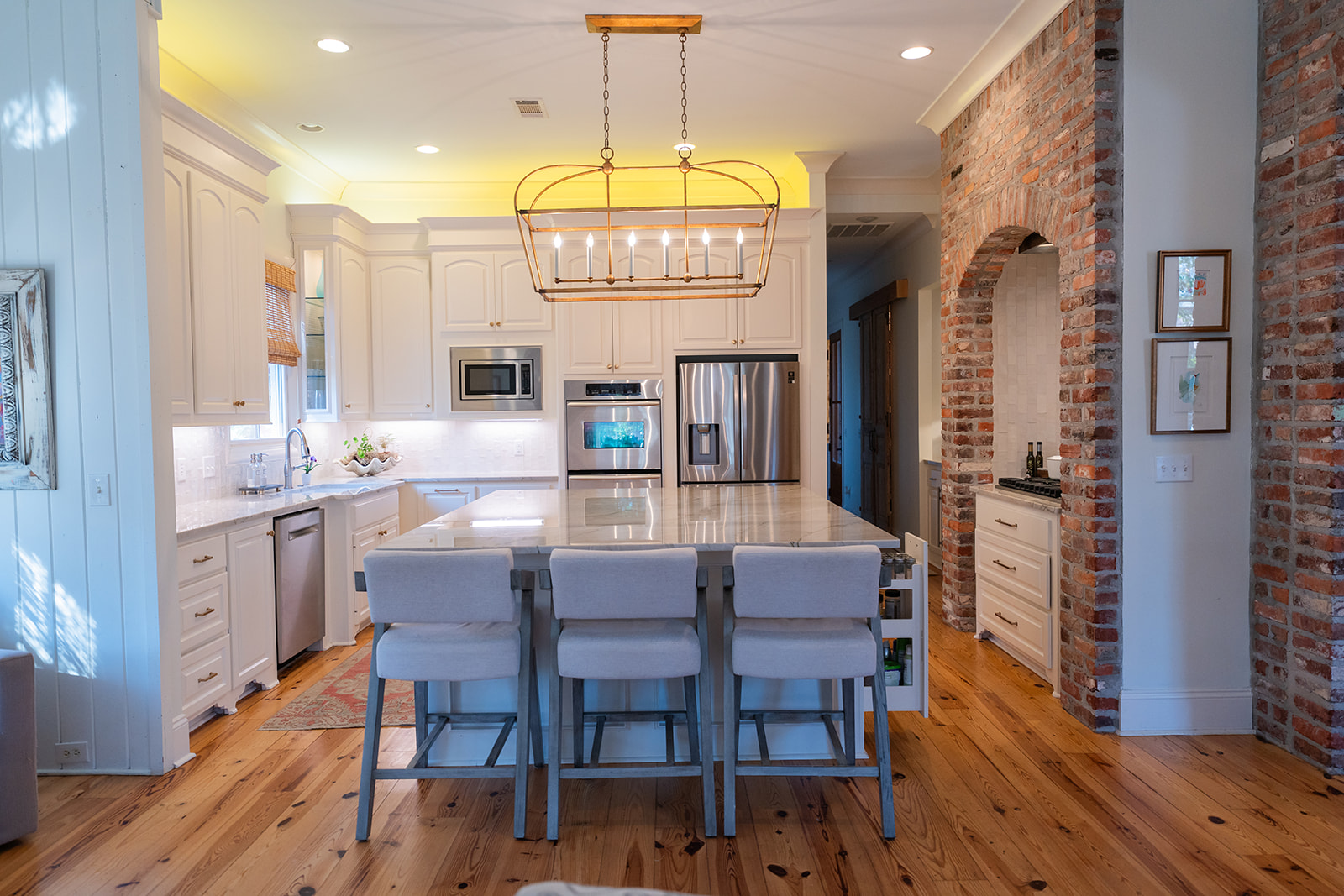

Some houses are very good at first impressions. Fresh paint, new fixtures, styled just right. They show beautifully, and it’s easy to imagine your life unfolding there. But if you’re trying to figure out how to tell if a house is a good one, first impressions are only part of the story.
Living in a house, though, is a long game.
When I walk through a home, I’m paying attention to the things that don’t always jump out right away. How the rooms connect. Where the light comes in during the day. Whether the layout supports everyday routines or quietly works against them.
There are plenty of things that can change over time. Paint colors. Light fixtures. Landscaping. Even kitchens and bathrooms, with the right expectations and planning.
What’s harder to change is the way a house functions. A layout that feels awkward. A lack of storage. Rooms that don’t quite make sense together. A location that doesn’t fit how you actually live.
For buyers who are still weighing timing and market conditions, this pairs closely with my thoughts on buying a home right now.
A good house doesn’t have to be perfect. It does need solid bones and the potential to work well for your life. The kind of house that feels steady, not just exciting in the moment.
A Few Signs That Matter Once the Newness Wears Off
One of the clearest ways to tell if a house is a good one is to imagine living in it after the excitement fades. Think about everyday moments. Where bags and shoes land when you walk in. How the kitchen functions when more than one person is in it. Whether rooms feel connected or closed off.
Good houses tend to make daily routines feel easier without calling attention to themselves. Storage exists where you need it. Light shows up when it matters. Spaces feel intuitive rather than forced.
This doesn’t mean a house needs to be perfect. It does mean it should support real life, not fight it. Over time, the homes people love most are often the ones that quietly work well long after the finishes stop feeling new.
Part of my role is helping people separate what’s cosmetic from what’s consequential. Sometimes that means pointing out potential that’s easy to miss. Other times it means slowing things down and asking whether a house is charming or truly compatible. Knowing how to tell if a house is a good one often comes down to how it functions day to day, not how impressive it feels in the first five minutes.
The right house usually makes sense on more than one level. It feels good, but it also holds up when you look a little closer.